Waco Rodent Guide
When to Call a Professional Rat and Mouse Control Company in Waco
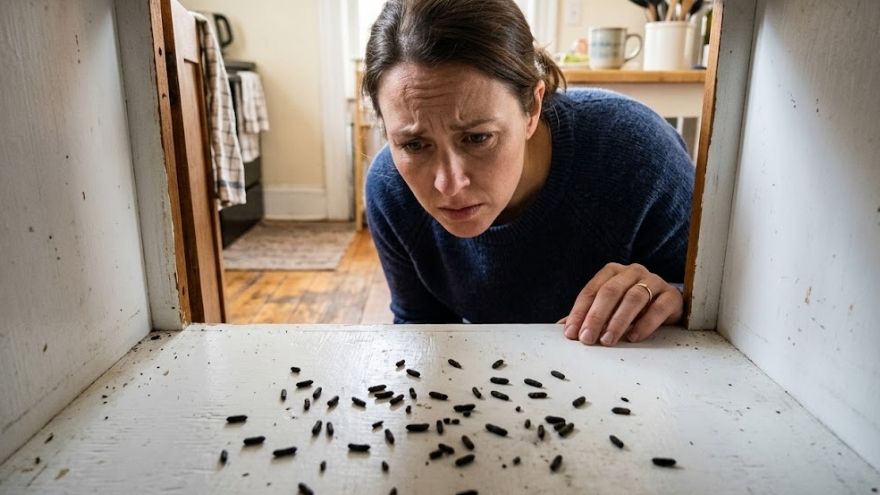
Hardware-store mouse traps work for light, caught-early mouse problems in accessible locations. They don't work for established infestations, roof rats, Norway rats, or any situation where the entry points haven't been identified and sealed. Knowing the line between manageable DIY and professional scope saves time and money.
When DIY Actually Works
We're going to be honest about this: not every rodent situation requires professional involvement. If you find two or three mouse droppings in a kitchen cabinet, set two snap traps baited with peanut butter behind the appliances and along the back wall of the cabinet base, catch the mouse within 48 hours, and then seal whatever gap allowed entry, you've handled it correctly. That's within DIY scope.
Hardware-store snap traps — the standard wooden Victor-style trap — are effective rodent killing tools. They're not inferior to professional traps; they're the same tool professionals use. The difference is in trap placement accuracy, entry-point identification, and knowing when the problem is larger than the visible evidence suggests.
Signs You've Crossed Into Professional Territory
You've Caught More Than Three Mice Within Two Weeks
Catching one or two mice and then having the activity stop usually means you caught the individuals that had entered. Catching three or more within a two-week window usually means you have an established colony with a reliable entry point — not individual mice wandering in. A colony has offspring in the wall cavity or attic; removing adults from traps does not resolve the colony. It reduces it temporarily, and then the offspring mature and repopulate the trap area within weeks.
You're Catching Mice but Activity Continues After Two Weeks
If traps are producing catches but droppings keep appearing in new areas or the same areas, you have more mice than the trap program is removing. This indicates an active colony with ongoing reproduction and likely means the entry point is still open — replacement mice are entering at the same rate the traps are removing them.
You've Found Droppings in the Attic or Crawl Space
Attic and crawl-space rodent infestations are rarely manageable with consumer-grade approaches. The access complexity, the personal protective equipment requirements (you should not be crawling in an infested attic without an N95 at minimum), and the difficulty of placing traps accurately in these spaces make professional involvement the correct approach for almost every attic or crawl infestation.
The Droppings Are Larger Than a Rice Grain
House mouse droppings are the size of a grain of rice. If the droppings you're finding are significantly larger — 1/2 inch to 3/4 inch — you have rats, not mice. Rats require a different trap type, different placement strategy, and often a different treatment sequence entirely. Consumer-grade rat bait blocks placed inside living areas are inappropriate (creates dead-rat-in-wall odor problems) and ineffective for established infestations. Rat problems are professional scope.
The Activity Is in the Attic at Night
Scratching or thumping sounds in the attic at night are almost always roof rats. Roof rat attic treatment requires snap trap deployment along confirmed attic runways, attic entry-point exclusion after treatment resolves, and in many cases attic cleanup and insulation assessment after the infestation is cleared. This is not consumer-accessible work.
You've Used Hardware-Store Bait and Now Smell Something
This is the most urgent professional situation: you deployed rodenticide bait, the activity stopped, and now there's a distinctive sweet-to-putrid odor coming from a wall or ceiling. A rat or mouse consumed the bait and died inside the structure. The carcass is decomposing and the odor will worsen for the next 7–14 days without carcass extraction. This is a dead-rodent removal service call — see our dead rodent removal page for what to do next.
You've Tried DIY Twice and the Problem Returned
If you addressed a rodent problem last October with hardware-store traps and it came back the following October, the entry points are still open. The traps removed the rodents; they didn't close the access. A professional inspection identifies the specific gaps — often in locations homeowners don't think to check, like A/C line-set penetrations or weep-hole courses — and quotes exclusion to close them permanently.
The Real Cost of Delayed Professional Involvement
The most common thing we hear from Waco homeowners when we arrive at an established infestation: "I thought I had it handled." The pattern is consistent — light early evidence, some trapping, activity seems to decrease, and then three months later the problem is significantly worse and harder to resolve.
Rodent populations don't stay static. A house mouse pair can produce 40–60 offspring in a year under good conditions. A Norway rat pair produces 20–50 offspring annually. Light early infestation that isn't fully resolved — entry points still open, colony remnant still present — recovers to full population within weeks. The cost of professional treatment at the 5-mouse stage is significantly lower than the cost at the 50-mouse stage, and the insulation, wiring, and structural damage that accumulates in the interim is real.
What Professional Inspection Costs
Our inspection is free. There is no inspection fee, no assessment charge, and no minimum service. We arrive, document what we find, confirm species from evidence, and give you a written scope and quote before we start any work. If you decide not to proceed with treatment, you pay nothing. This makes the calculation simple: if you're uncertain whether a situation requires professional involvement, schedule an inspection. The inspection costs nothing; the information it produces has real value.
The Real Cost Comparison — DIY Attempt vs. Professional from the Start
The most common misconception about professional rodent control is that it's significantly more expensive than hardware-store treatment. In isolated, early-stage mouse situations, it isn't — and in established infestations, the cost comparison strongly favors professional involvement.
| Scenario | DIY Path | Professional from the Start |
|---|---|---|
| 1–3 mice, accessible location, no recurrence | $8–$20 in traps. Works. | Free inspection. Overkill for this situation. |
| Recurring mouse problem, same time every year | $20–$60/year in traps + pantry losses + time. Entry points remain open. | $150–$300 exclusion (one-time). Problem solved permanently. |
| Attic mouse or rat infestation | $30–$80 in consumer traps. Low access. Low catch rate. Population rebuilds. | $250–$550 treatment + exclusion. Access-specific trap placement. Confirmed clear. |
| Bait used, activity stopped, then dead-rodent odor | $50–$150 in bait + $300–$800 remediation of dead-rodent situation in wall or attic. | $250–$500 trap-based treatment. No wall-cavity die-off. No odor. |
| Established Norway rat infestation (East Waco, flood-adjacent) | $60–$120 in snap traps + bait. Misidentified species. Traps placed at wrong level. No result. | $350–$700 species-specific treatment + crawl exclusion. Resolved. |
The pattern that produces the worst outcomes: deploying rodenticide bait for attic rats. Bait produces an activity stop followed by wall or attic die-off odor. Professional extraction from wall cavities costs $200–$600 and requires drywall access cuts. The trap-based professional approach costs $250–$500 and produces carcasses in accessible trap locations. The bait path is consistently more expensive than the trap-based professional path when you include remediation.
What to Look for in a Waco Rodent Control Company — and What to Avoid
If you've decided professional involvement is warranted, the contractor selection matters. McLennan County structural pest control operators are licensed by the Texas Department of Agriculture — any company performing rodent exclusion work must hold a current TDA license. Ask for the license number and verify it at the TDA Structural Pest Control Service database before signing anything.
Specific red flags in contractor selection:
- Open bait placement inside occupied spaces. Tamper-resistant exterior stations are the correct bait placement format. Any contractor placing open bait blocks inside a kitchen, pantry, or occupied room is operating outside FSMA-aligned protocol and creating a dead-rodent odor risk.
- No written scope before work begins. Every professional job should produce a written findings report from the inspection and a written treatment plan before any work starts. Verbal-only quotes with no documentation are a consistent predictor of disputed work.
- Exclusion before confirmed treatment completion. Sealing a structure while rodents are still active inside traps them in. The sequence must be: treat to confirmed knockdown, then exclude. Any contractor proposing to seal entry points before clearing the interior population is proposing an approach that will produce a dead-rodent odor event.
- Guaranteed elimination without inspection. No rodent program can guarantee elimination without first inspecting the property. A contractor offering guaranteed elimination over the phone is either not going to honor the guarantee or doesn't understand what they're promising.
- Annual contracts for one-time exclusion problems. Structural exclusion — sealing the entry points — produces a permanent result that doesn't require annual re-service. Bait station maintenance programs are appropriate for ongoing perimeter pressure. If a contractor is proposing annual contracts for work that should be one-time, the contract structure may not serve your situation.
Seasonal Timing — When Professional Involvement Is Most Urgent
Rodent problems escalate faster during specific windows in McLennan County. Understanding the pressure calendar helps you decide how quickly to act:
October–November (highest urgency): Cold-snap house mouse intrusion peaks. This is the window when mice that have been probing structure perimeters since September begin committing to interior harborage. If you have evidence in October, the population is smaller and the problem is more containable than it will be by December. Waiting until January typically means a larger, better-established population.
March–May (Norway rat urgency): Spring breeding season produces the first large Norway rat litters of the year. East Waco, Bellmead, and Brazos-corridor properties with Norway rat evidence in spring should treat before the population multiplies. A spring Norway rat treatment is significantly less expensive than a fall treatment after three breeding cycles.
August (roof rat pre-season): The pecan harvest cycle begins in late August. Roof rat populations that have been canopy-based through summer begin transitioning to attic harborage as harvest pressure builds. August professional intervention — attic proofing before harvest begins — prevents the attic establishment entirely. October professional intervention means trapping an established colony.
The free inspection is available year-round. The urgency varies by season and species — but the inspection cost doesn't.
Related Resources
- Free Rodent Inspection Services
- Mice Control
- Rat Control
- Dead Rodent Removal
- Mouse Infestation Treatment
Free Inspection — No Obligation — Call (254) 343-1352
Free inspection. Same-day for most McLennan County calls before noon. Licensed and insured.
Call (254) 343-1352